Silica Fume

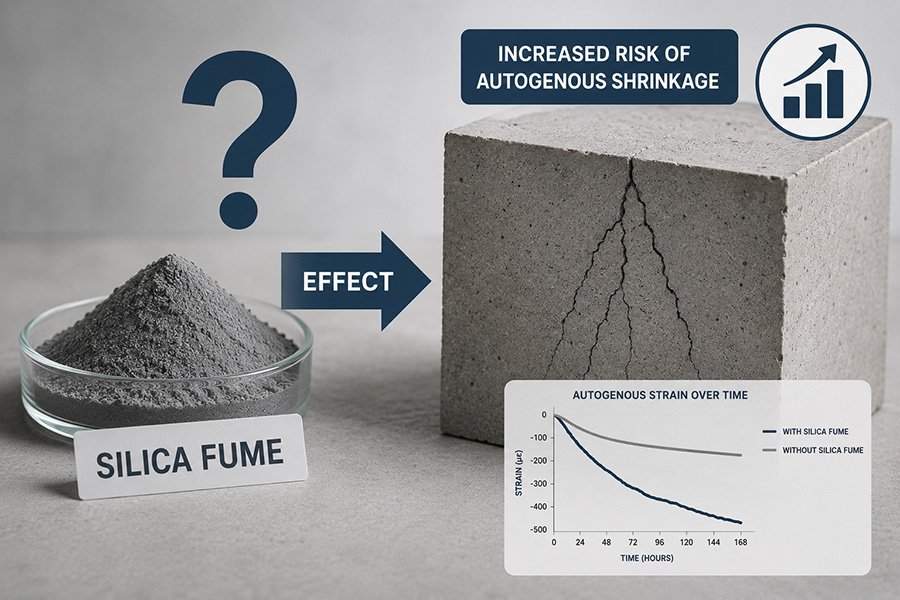
Does Silica Fume Increase the Risk of Autogenous Shrinkage

Does Silica Fume Increase the Risk of Autogenous Shrinkage? Key Causes & Control

Premature cracking in high-performance concrete (HPC) and ultra-high-performance concrete (UHPC) often traces back to a single, destructive mechanism: autogenous shrinkage. When this shrinkage is restrained, it generates tensile stresses that exceed the early-age strength of the matrix, causing microcracking that compromises durability, strength, and structural service life. For engineers specifying silica fume in low water/binder […]

Does Silica Fume Increase the Risk of Autogenous Shrinkage? Key Causes & Control Read More »
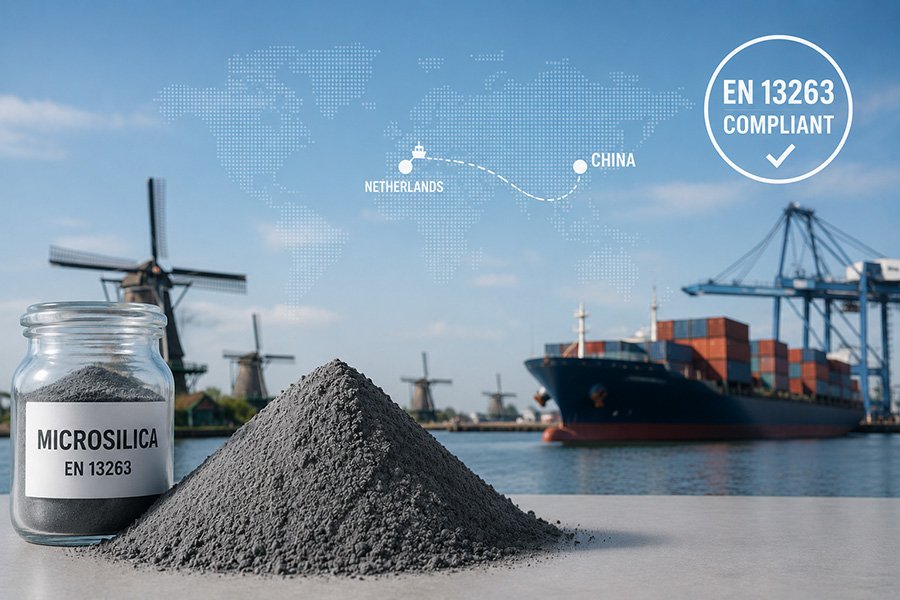
Microsilica for the Netherlands

Microsilica for the Netherlands: How HSA Delivers EN 13263-Compliant Silica Fume from China

For any builder, contractor, or ready-mix producer working on high-performance concrete, the phrase “silica fume” is no longer optional vocabulary — it is a competitive advantage. Yet despite being one of the most studied supplementary cementitious materials on the planet, microsilica remains a sourcing puzzle for many buyers. Pricing fluctuates by region, quality varies dramatically

Microsilica for the Netherlands: How HSA Delivers EN 13263-Compliant Silica Fume from China Read More »

Silica Fume vs. Calcined Clay

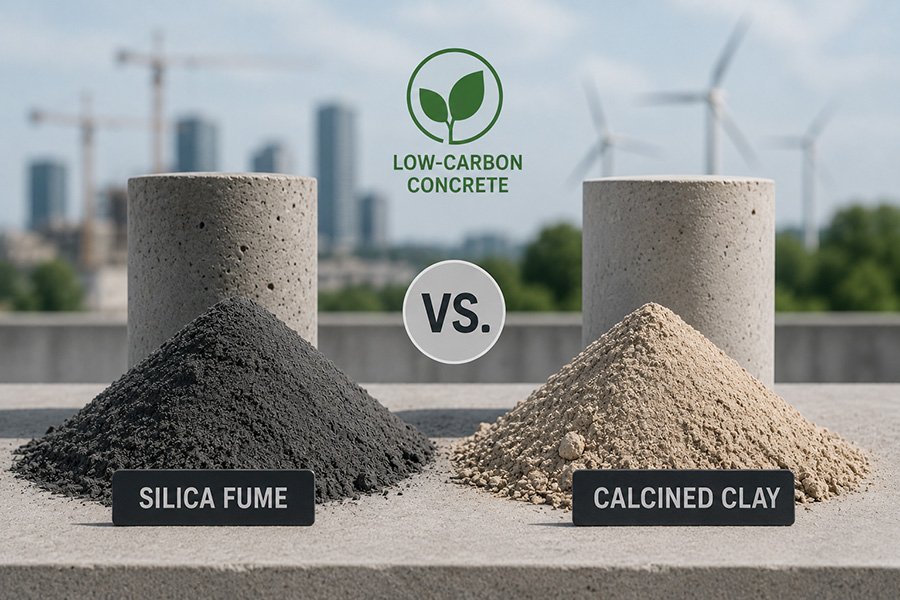
Silica Fume vs. Calcined Clay: Which is Better for Low-Carbon Concrete?

A misplaced supplementary cementitious material choice in low-carbon concrete can increase binder content by 8–12%, erase your clinker reduction gains, and still fail to meet 28-day strength targets. Engineers balancing CO₂ budgets against compressive strength and durability now face a direct comparison between densified silica fume and calcined clay—two SCMs with fundamentally different reaction kinetics,

Silica Fume vs. Calcined Clay: Which is Better for Low-Carbon Concrete? Read More »

What to Do When Silica Fume Concrete Loses Slump Too Quickly

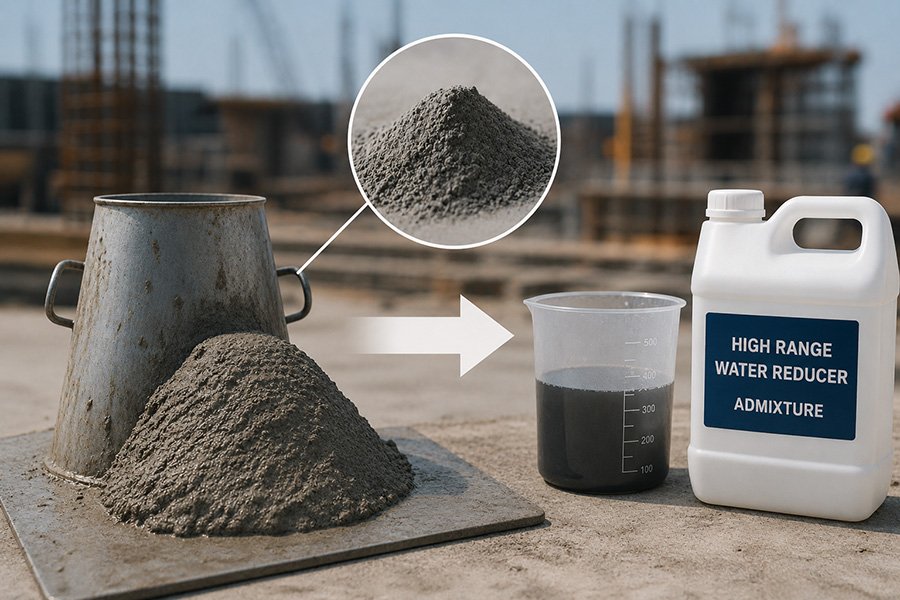
What to Do When Silica Fume Concrete Loses Slump Too Quickly? Expert Fixes

Silica fume concrete losing slump too fast on a bridge deck placement can push a pour window from 90 minutes down to 30 — triggering cold joints, rejected loads, and compressive strength penalties that cascade into six-figure remediation costs. The problem isn’t the admixture itself; it’s the mismatch between silica fume’s surface physics and conventional

What to Do When Silica Fume Concrete Loses Slump Too Quickly? Expert Fixes Read More »

How Does Silica Fume Affect the Curing Process of High-Performance Concrete?

How Does Silica Fume Affect the Curing Process of High-Performance Concrete?

Silica fume’s pozzolanic reactivity accelerates early-age strength gain, but it also dramatically alters moisture retention kinetics—if curing regimes fail to compensate, microcracking from autogenous shrinkage can compromise chloride resistance and reduce service life by 15–30% in high-performance concrete (HPC) bridges, marine structures, and nuclear containment shells. Solving this requires understanding how silica fume shifts the

How Does Silica Fume Affect the Curing Process of High-Performance Concrete? Read More »

Is Silica Fume Effective in Preventing Chloride-Induced Corrosion in Seawater?

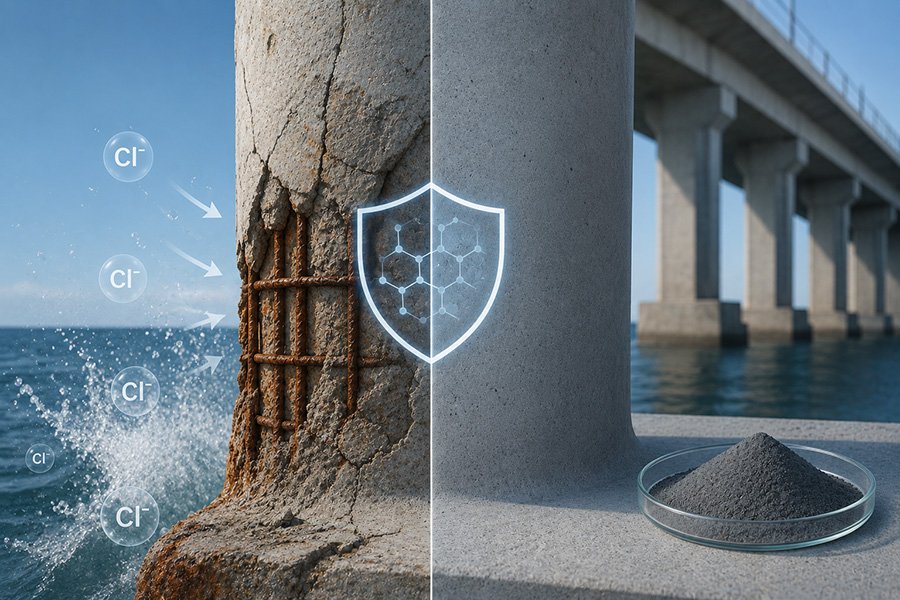
Is Silica Fume Effective in Preventing Chloride-Induced Corrosion in Seawater?

Unchecked chloride ingress in marine concrete structures does not merely reduce service life—it drives multi-million-dollar rehabilitation programs decades ahead of schedule. Patching spalled bridge piles in tidal zones or replacing corroded precast seawall panels involves not just material cost but operational downtime and safety risk. Engineers specifying high-performance concrete for these environments face a critical

Is Silica Fume Effective in Preventing Chloride-Induced Corrosion in Seawater? Read More »

Why Does Silica Fume Change the Color of Concrete? (And How to Control It)

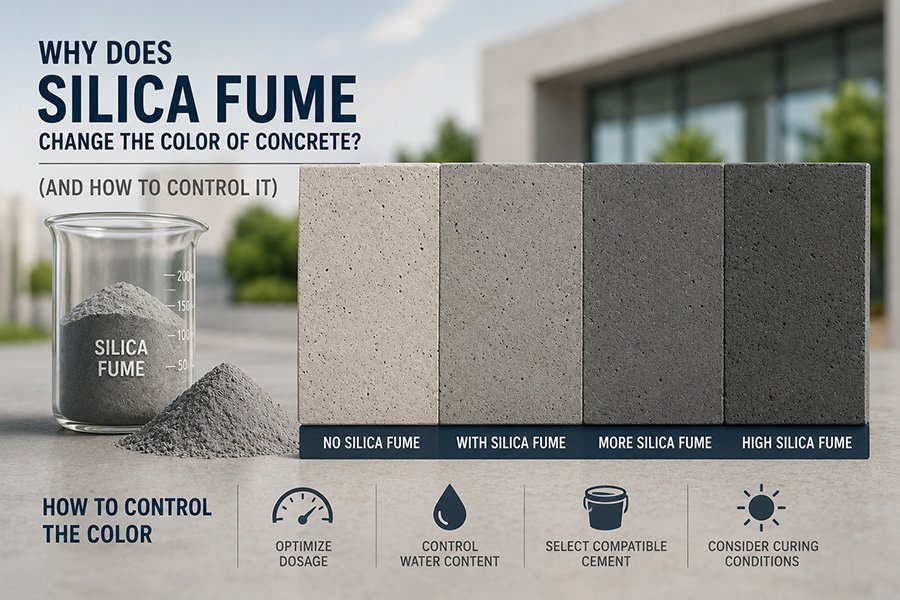
Why Does Silica Fume Change the Color of Concrete? (And How to Control It)

When a high-profile bridge deck or architectural precast panel arrives on site with uneven blue-grey mottling instead of the specified uniform tone, the immediate cost is a rejected batch, a delayed pour cycle, and forensic testing bills that can exceed $15,000 per incident. Architects and structural engineers spec silica fume for its unmatched strength and

Why Does Silica Fume Change the Color of Concrete? (And How to Control It) Read More »

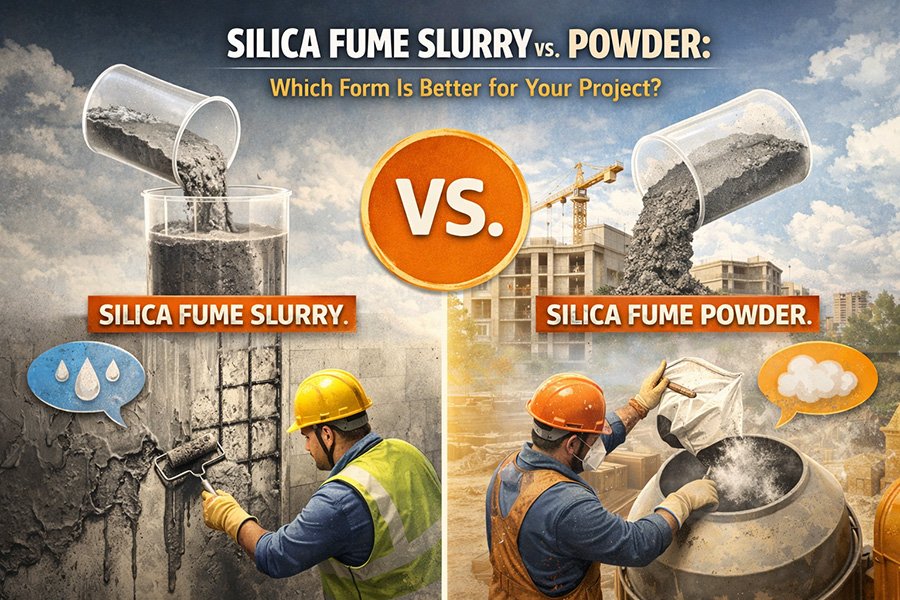
Silica Fume Slurry vs. Silica Fume Powder

Silica Fume Slurry vs. Powder: Which Form Is Better for Your Project?

If you have ever sourced silica fume for a concrete project, you have likely encountered the same question: should you use powder or slurry? Both forms deliver the same fundamental material — amorphous silicon dioxide with a high surface area and strong pozzolanic reactivity — but they differ significantly in how they are handled, stored,

Silica Fume Slurry vs. Powder: Which Form Is Better for Your Project? Read More »

Standards and Proportions for Silica Fume in Ultra-High Performance Concrete

Ultra-high performance concrete (UHPC) represents one of the most significant advances in structural materials of the past half-century. Capable of compressive strengths exceeding 150 MPa — sometimes surpassing 200 MPa — and tensile ductility far beyond ordinary concrete, UHPC has redefined what is possible in bridge engineering, façade construction, and blast-resistant design. At the heart

Standards and Proportions for Silica Fume in Ultra-High Performance Concrete Read More »

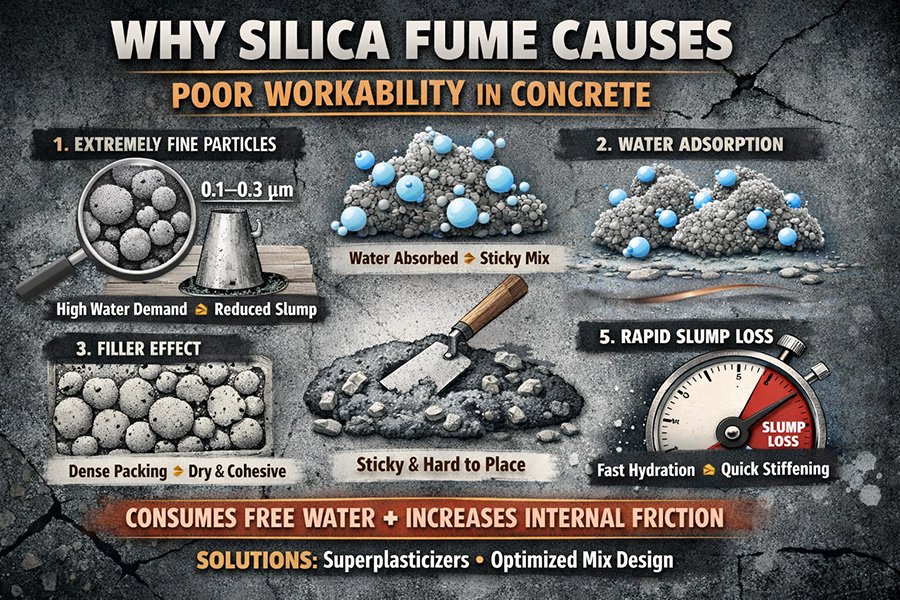
Why Does Silica Fume Cause Poor Workability in Concrete?

Why Does Silica Fume Cause Poor Workability in Concrete?

Silica fume is widely used to enhance strength, durability, and impermeability of concrete—but it is also well known for causing poor workability. This effect comes from several material-level mechanisms rather than a single factor. Technical explanation 1. Extremely Fine Particle Size (High Surface Area) Silica fume particles are about 0.1–0.3 μm, nearly 100 times finer

Why Does Silica Fume Cause Poor Workability in Concrete? Read More »

Scroll to Top