HSA_Auto

1000KG ton bag container

How to Optimize Container Loading for Undensified vs. Densified Silica Fume

Container loading choice between un-densified and densified silica fume can slash or inflate landed cost by over 60%. This guide delivers precise density-to-payload ratios, bagging protocols, and moisture barriers that prevent cargo loss and ensure ASTM-compliant microsilica arrives intact. Every technical step directly impacts your project’s delivered pozzolanic value.

How to Optimize Container Loading for Undensified vs. Densified Silica Fume Read More »

Shelf Life and Degradation Risks of Stored Silica Fume

Shelf Life and Degradation Risks of Stored Silica Fume

A single pallet of improperly stored microsilica can silently lose up to 30% of its pozzolanic activity within six months—by the time the batch is added to a UHPC mix, the resulting shortfall in compressive strength may trigger costly rejection of an entire pour and delay a critical infrastructure project. Managing inventory effectively means understanding

Shelf Life and Degradation Risks of Stored Silica Fume Read More »

Does Silica Fume Increase the Risk of Autogenous Shrinkage

Does Silica Fume Increase the Risk of Autogenous Shrinkage? Key Causes & Control

Premature cracking in high-performance concrete (HPC) and ultra-high-performance concrete (UHPC) often traces back to a single, destructive mechanism: autogenous shrinkage. When this shrinkage is restrained, it generates tensile stresses that exceed the early-age strength of the matrix, causing microcracking that compromises durability, strength, and structural service life. For engineers specifying silica fume in low water/binder

Does Silica Fume Increase the Risk of Autogenous Shrinkage? Key Causes & Control Read More »

The Future of the Microsilica Market

The Future of the Microsilica Market: Demand Forecast for 2026-2030

This microsilica market forecast for 2026–2030 examines the forces shaping demand for silica fume grades across UHPC, refractory, and soil stabilization. Engineers and buyers will find regional growth data, grade-specific availability risks, and procurement guidance to navigate a market where mid-grade supply tightens and 98% SiO₂ premiums persist.

The Future of the Microsilica Market: Demand Forecast for 2026-2030 Read More »

Silica Fume vs. Calcined Clay

Silica Fume vs. Calcined Clay: Which is Better for Low-Carbon Concrete?

A misplaced supplementary cementitious material choice in low-carbon concrete can increase binder content by 8–12%, erase your clinker reduction gains, and still fail to meet 28-day strength targets. Engineers balancing CO₂ budgets against compressive strength and durability now face a direct comparison between densified silica fume and calcined clay—two SCMs with fundamentally different reaction kinetics,

Silica Fume vs. Calcined Clay: Which is Better for Low-Carbon Concrete? Read More »

The Role of Silica Fume in Ukraine’s Post-War Infrastructure Recovery

The Role of Silica Fume in Ukraine’s Post-War Infrastructure Recovery

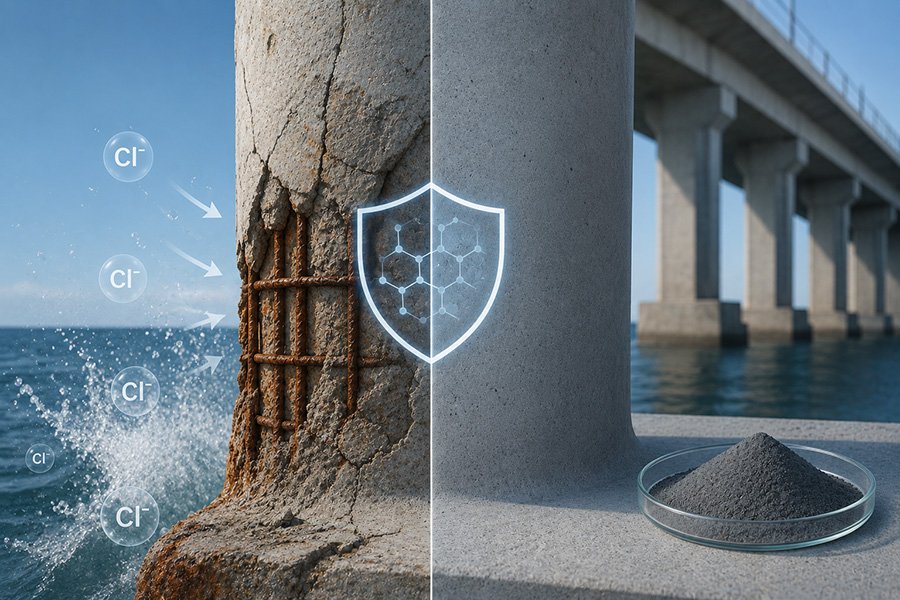
Silica fume is indispensable for Ukraine’s reconstruction, providing concrete with unmatched freeze-thaw resistance, chloride protection, and early strength development. This article explains grade selection, specification compliance, and supply chain strategies to deliver durable infrastructure that will serve for generations.

The Role of Silica Fume in Ukraine’s Post-War Infrastructure Recovery Read More »

What to Do When Silica Fume Concrete Loses Slump Too Quickly

What to Do When Silica Fume Concrete Loses Slump Too Quickly? Expert Fixes

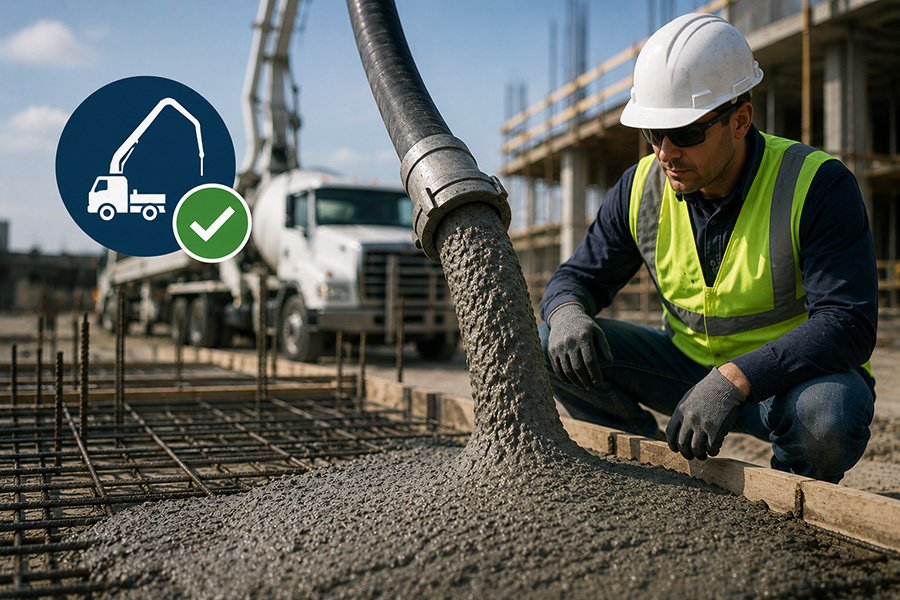
Silica fume concrete losing slump too fast on a bridge deck placement can push a pour window from 90 minutes down to 30 — triggering cold joints, rejected loads, and compressive strength penalties that cascade into six-figure remediation costs. The problem isn’t the admixture itself; it’s the mismatch between silica fume’s surface physics and conventional

What to Do When Silica Fume Concrete Loses Slump Too Quickly? Expert Fixes Read More »

Why Is My Silica Fume Agglomerating

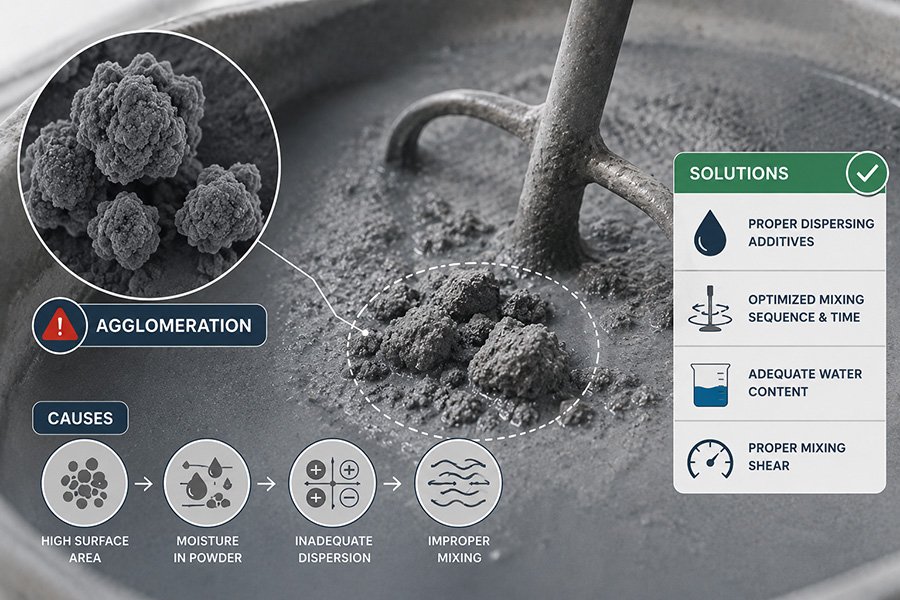
Why Is My Silica Fume Agglomerating? Causes and Solutions During Mixing

Your high-performance concrete mix is underperforming, not from a chemical incompatibility, but from a persistent physical flaw. When silica fume agglomerates into millimeter-scale balls that survive the mixing process, you introduce reactive silica pockets, compromise in-situ strength, and risk failing a chloride permeability test. Eliminating these undispersed nodules is a non-negotiable step toward achieving a

Why Is My Silica Fume Agglomerating? Causes and Solutions During Mixing Read More »
How to Store Bulk Silica Fume Jumbo Bags in High-Humidity Environments

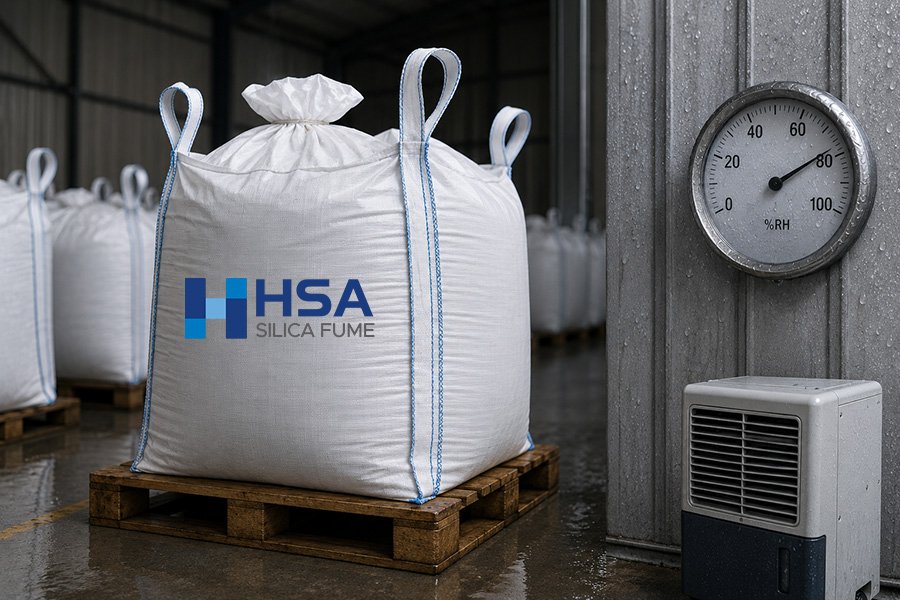
How to Store Bulk Silica Fume Jumbo Bags in High-Humidity Environments

Bulk silica fume stored in high-humidity tropical or coastal conditions can pre-hydrate in the bag, rendering it useless before it ever reaches the mixer. That premature pozzolanic reaction—triggered by moisture ingress—can cost a single large infrastructure project tens of thousands of dollars in rejected material, lost reactivity, and catastrophic concrete underperformance. This article lays out

How to Store Bulk Silica Fume Jumbo Bags in High-Humidity Environments Read More »

Scroll to Top