HSA_Auto

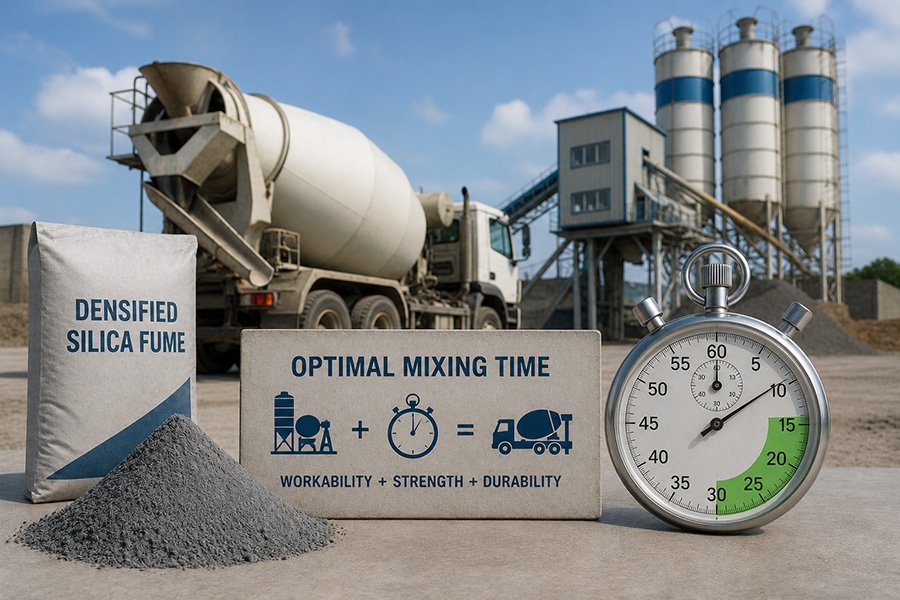
What is the Optimal Mixing Time for Densified Silica Fume in Ready-Mix Plants?

What is the Optimal Mixing Time for Densified Silica Fume in Ready-Mix Plants?

In ready-mix plants, insufficient mixing of densified silica fume allows agglomerated microsilica particles to survive the batching cycle, acting not as a reactive pozzolan but as inert fillers that compromise compressive strength, increase permeability, and create localized weak zones in the interfacial transition zone. This directly risks structural non-conformance, costly rejected loads, and failure to […]

What is the Optimal Mixing Time for Densified Silica Fume in Ready-Mix Plants? Read More »

CIF Mumbai vs FOB Qingdao

CIF Mumbai vs FOB Qingdao: Calculating the True Cost of Silica Fume for Indian Buyers

The Hidden Cost Trap in Silica Fume Procurement for Indian Projects A Mumbai-based precast yard recently lost INR 3.2 lakh on a single UHPC pour after selecting a silica fume supplier based solely on the FOB Qingdao price. The delivered cost, after factoring in freight, insurance, and customs, was 28% higher than the initial quote.

CIF Mumbai vs FOB Qingdao: Calculating the True Cost of Silica Fume for Indian Buyers Read More »

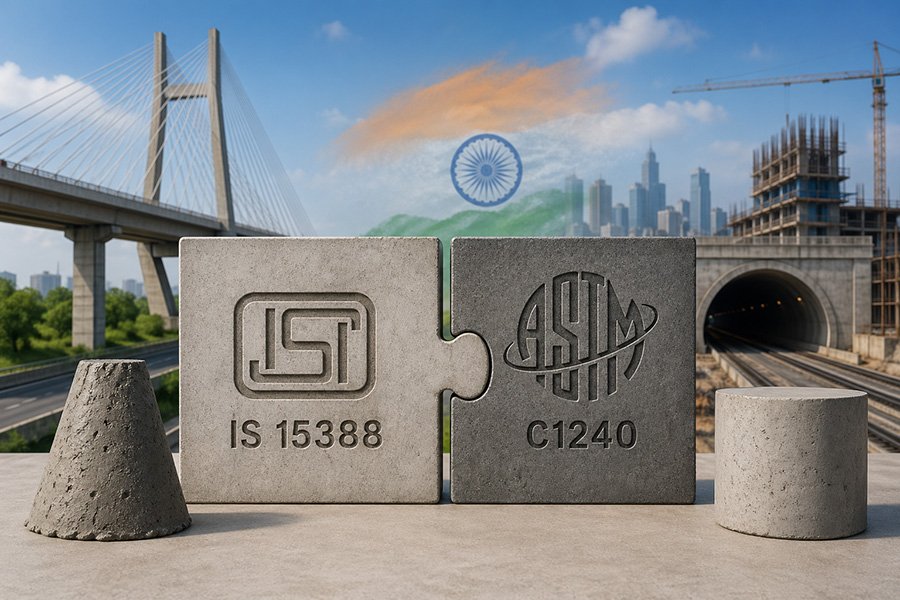
IS 15388 and ASTM C1240

IS 15388 and ASTM C1240: Are They Compatible for Indian Infrastructure Projects?

Engineers specifying microsilica for Indian infrastructure projects face a recurring dilemma: must a silica fume conform strictly to IS 15388 (Indian standard), or is a product meeting the globally recognised ASTM C1240 sufficient? The wrong answer leads to rejected deliveries, delayed approvals, or—worse—concrete that falls short of durability requirements in India’s aggressive service environments. This

IS 15388 and ASTM C1240: Are They Compatible for Indian Infrastructure Projects? Read More »

Scroll to Top