
HSA Microsilica

Difference Between Bulk Density and Relative Density of Silica Fume

Difference Between Bulk Density and Relative Density of Silica Fume

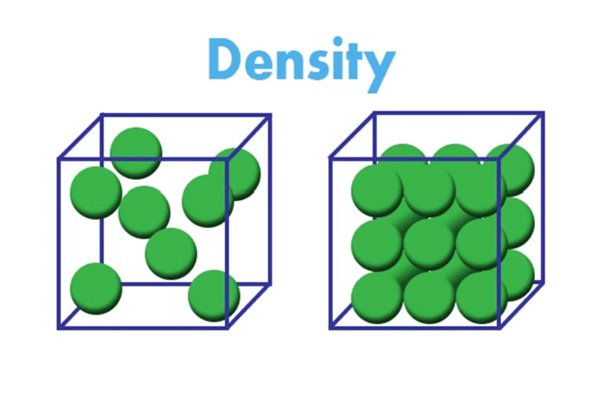
Bulk density and relative density (also called true density or specific gravity) are two different physical properties of silica fume. Bulk Density Bulk density refers to the mass of silica fume per unit volume, including the spaces between particles.It represents how tightly the powder is packed. Typical range: Undensified silica fume: 150–350 kg/m³ Densified silica […]

Difference Between Bulk Density and Relative Density of Silica Fume Read More »

Silica fume for Soil Stabilization

Silica fume for Soil Stabilization

Silica fume, a byproduct of the silicon and ferrosilicon alloy production, has gained prominence in the construction industry, particularly for its application in soil stabilization. This fine powder, composed of amorphous silicon dioxide, enhances soil properties and strengthens construction materials, making it a valuable resource in various construction projects. What is Silica Fume? Silica fume,

Silica fume for Soil Stabilization Read More »

Undensified Silica Fume Used for Refractory Applications

Undensified Silica Fume Used for Refractory Applications

Silica fume, also known as microsilica, is a byproduct of producing silicon and ferrosilicon alloys. It is an ultrafine powder that has gained widespread use in the refractory industry due to its unique properties, especially when used in its undensified form. This blog will delve into the characteristics of undensified silica fume, its benefits, and

Undensified Silica Fume Used for Refractory Applications Read More »

Silica Fume for Marine Concrete Structures

Silica Fume for Marine Concrete Structures

Introduction In the ever-evolving world of construction, marine concrete structures face unique challenges due to the harsh and corrosive environment they operate in. Seawater, salt spray, and constant exposure to moisture can wreak havoc on traditional concrete, leading to premature degradation and costly maintenance. At HSA, we understand these challenges and have developed a pioneering

Silica Fume for Marine Concrete Structures Read More »

Components or Materials of Concrete

Advantages And Disadvantages Of Silica Fume In Concrete

Silica fume, or microsilica, presents an important by-product produced during the manufacturing process of ferrosilicon and silicon metal alloys. The compound finds wide uses in concrete and provides important benefits for the marine, building construction, and oil and gas industries around the world. At HSA, the leading provider of silica fume in China, we know

Advantages And Disadvantages Of Silica Fume In Concrete Read More »

Condensed Silica Fume

CSF Condensed Silica Fume

Composition Condensed silica fume consists primarily of pure silica in non-crystalline form and contains more than 90% silicon dioxide. Small amounts of magnesium, iron, and alkali oxides are also present. Most particles are smaller than 1 mm with an average diameter of 0.1 mm. ASTM C 1240 limits the percent retained on the 45-mm sieve

CSF Condensed Silica Fume Read More »

Scroll to Top