HSA Microsilica

The Future of the Microsilica Market

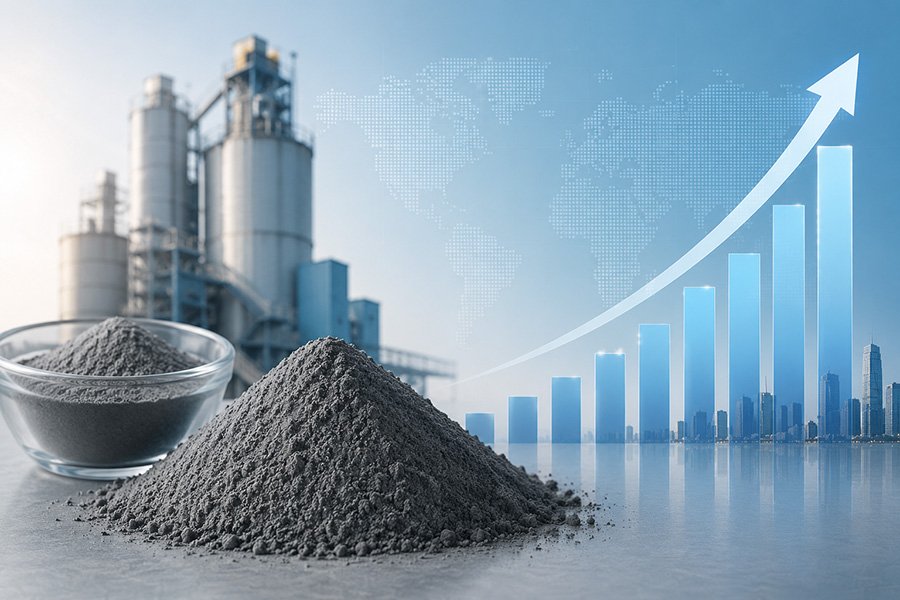
The Future of the Microsilica Market: Demand Forecast for 2026-2030

This microsilica market forecast for 2026–2030 examines the forces shaping demand for silica fume grades across UHPC, refractory, and soil stabilization. Engineers and buyers will find regional growth data, grade-specific availability risks, and procurement guidance to navigate a market where mid-grade supply tightens and 98% SiO₂ premiums persist.

The Future of the Microsilica Market: Demand Forecast for 2026-2030 Read More »
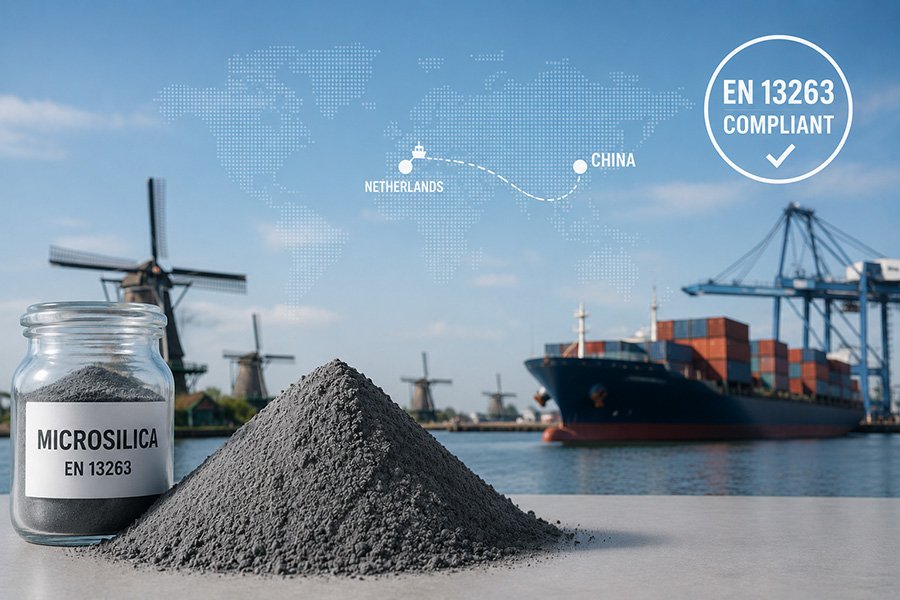
Microsilica for the Netherlands

Microsilica for the Netherlands: How HSA Delivers EN 13263-Compliant Silica Fume from China

For any builder, contractor, or ready-mix producer working on high-performance concrete, the phrase “silica fume” is no longer optional vocabulary — it is a competitive advantage. Yet despite being one of the most studied supplementary cementitious materials on the planet, microsilica remains a sourcing puzzle for many buyers. Pricing fluctuates by region, quality varies dramatically

Microsilica for the Netherlands: How HSA Delivers EN 13263-Compliant Silica Fume from China Read More »

Silica Fume vs. Calcined Clay

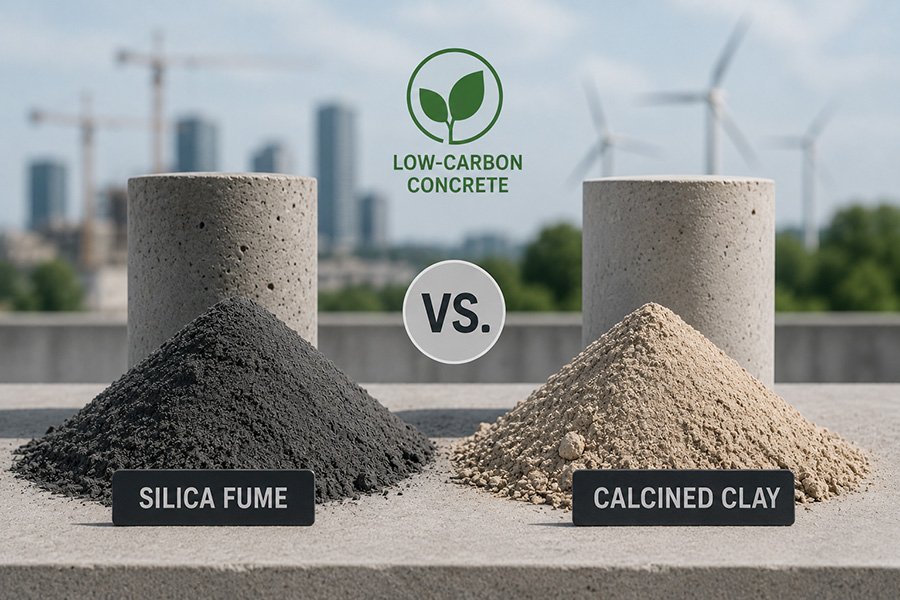
Silica Fume vs. Calcined Clay: Which is Better for Low-Carbon Concrete?

A misplaced supplementary cementitious material choice in low-carbon concrete can increase binder content by 8–12%, erase your clinker reduction gains, and still fail to meet 28-day strength targets. Engineers balancing CO₂ budgets against compressive strength and durability now face a direct comparison between densified silica fume and calcined clay—two SCMs with fundamentally different reaction kinetics,

Silica Fume vs. Calcined Clay: Which is Better for Low-Carbon Concrete? Read More »

The Role of Silica Fume in Ukraine’s Post-War Infrastructure Recovery

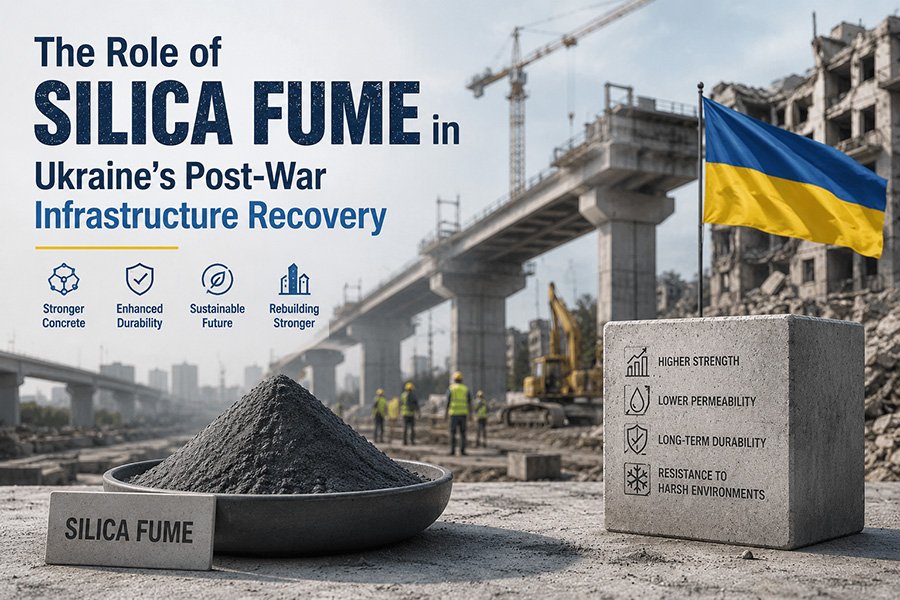
The Role of Silica Fume in Ukraine’s Post-War Infrastructure Recovery

Silica fume is indispensable for Ukraine’s reconstruction, providing concrete with unmatched freeze-thaw resistance, chloride protection, and early strength development. This article explains grade selection, specification compliance, and supply chain strategies to deliver durable infrastructure that will serve for generations.

The Role of Silica Fume in Ukraine’s Post-War Infrastructure Recovery Read More »

What to Do When Silica Fume Concrete Loses Slump Too Quickly

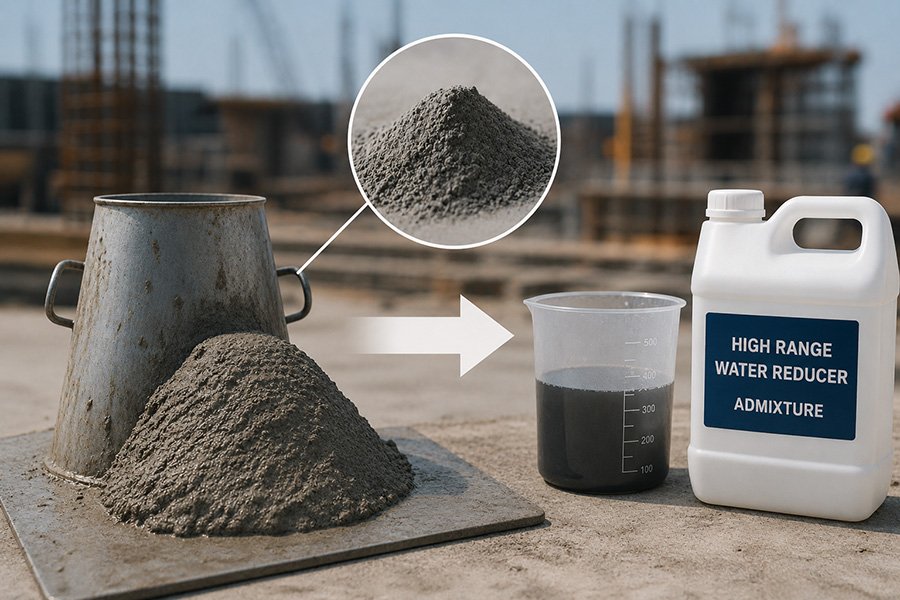
What to Do When Silica Fume Concrete Loses Slump Too Quickly? Expert Fixes

Silica fume concrete losing slump too fast on a bridge deck placement can push a pour window from 90 minutes down to 30 — triggering cold joints, rejected loads, and compressive strength penalties that cascade into six-figure remediation costs. The problem isn’t the admixture itself; it’s the mismatch between silica fume’s surface physics and conventional

What to Do When Silica Fume Concrete Loses Slump Too Quickly? Expert Fixes Read More »

Silica Fume Slurry vs. Silica Fume Powder

Silica Fume Slurry vs. Powder: Which Form Is Better for Your Project?

If you have ever sourced silica fume for a concrete project, you have likely encountered the same question: should you use powder or slurry? Both forms deliver the same fundamental material — amorphous silicon dioxide with a high surface area and strong pozzolanic reactivity — but they differ significantly in how they are handled, stored,

Silica Fume Slurry vs. Powder: Which Form Is Better for Your Project? Read More »

Standards and Proportions for Silica Fume in Ultra-High Performance Concrete

Ultra-high performance concrete (UHPC) represents one of the most significant advances in structural materials of the past half-century. Capable of compressive strengths exceeding 150 MPa — sometimes surpassing 200 MPa — and tensile ductility far beyond ordinary concrete, UHPC has redefined what is possible in bridge engineering, façade construction, and blast-resistant design. At the heart

Standards and Proportions for Silica Fume in Ultra-High Performance Concrete Read More »

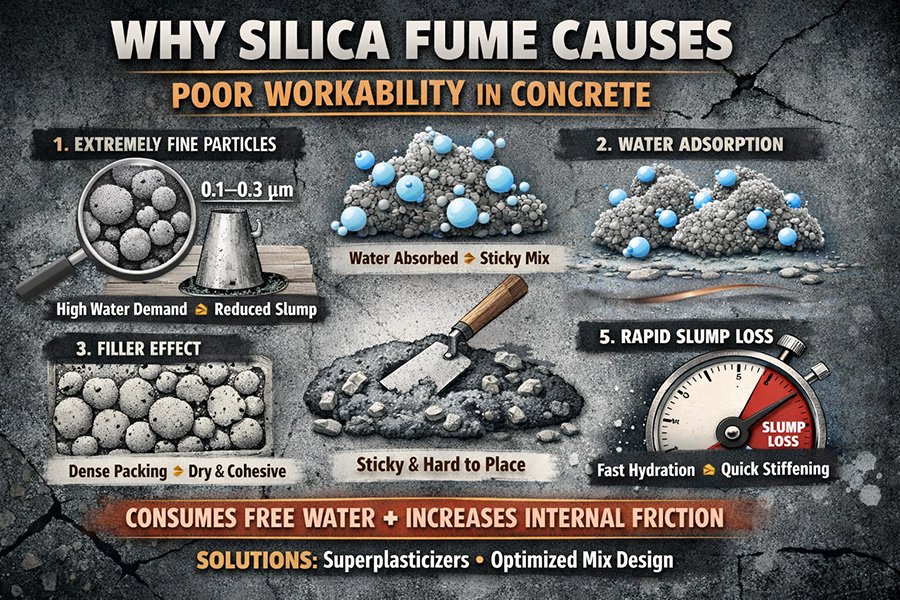
Why Does Silica Fume Cause Poor Workability in Concrete?

Why Does Silica Fume Cause Poor Workability in Concrete?

Silica fume is widely used to enhance strength, durability, and impermeability of concrete—but it is also well known for causing poor workability. This effect comes from several material-level mechanisms rather than a single factor. Technical explanation 1. Extremely Fine Particle Size (High Surface Area) Silica fume particles are about 0.1–0.3 μm, nearly 100 times finer

Why Does Silica Fume Cause Poor Workability in Concrete? Read More »

Difference Between Bulk Density and Relative Density of Silica Fume

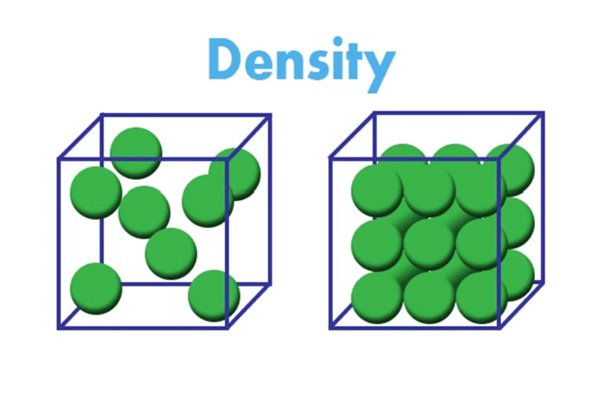
Difference Between Bulk Density and Relative Density of Silica Fume

Bulk density and relative density (also called true density or specific gravity) are two different physical properties of silica fume. Bulk Density Bulk density refers to the mass of silica fume per unit volume, including the spaces between particles.It represents how tightly the powder is packed. Typical range: Undensified silica fume: 150–350 kg/m³ Densified silica

Difference Between Bulk Density and Relative Density of Silica Fume Read More »

Scroll to Top