astm c1240

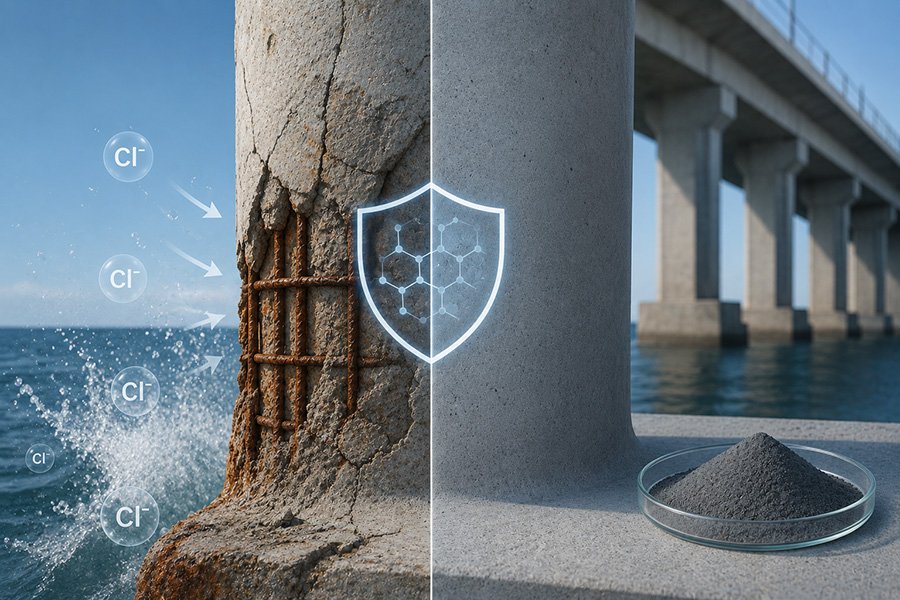
Is Silica Fume Effective in Preventing Chloride-Induced Corrosion in Seawater?

Is Silica Fume Effective in Preventing Chloride-Induced Corrosion in Seawater?

Unchecked chloride ingress in marine concrete structures does not merely reduce service life—it drives multi-million-dollar rehabilitation programs decades ahead of schedule. Patching spalled bridge piles in tidal zones or replacing corroded precast seawall panels involves not just material cost but operational downtime and safety risk. Engineers specifying high-performance concrete for these environments face a critical […]

Is Silica Fume Effective in Preventing Chloride-Induced Corrosion in Seawater? Read More »

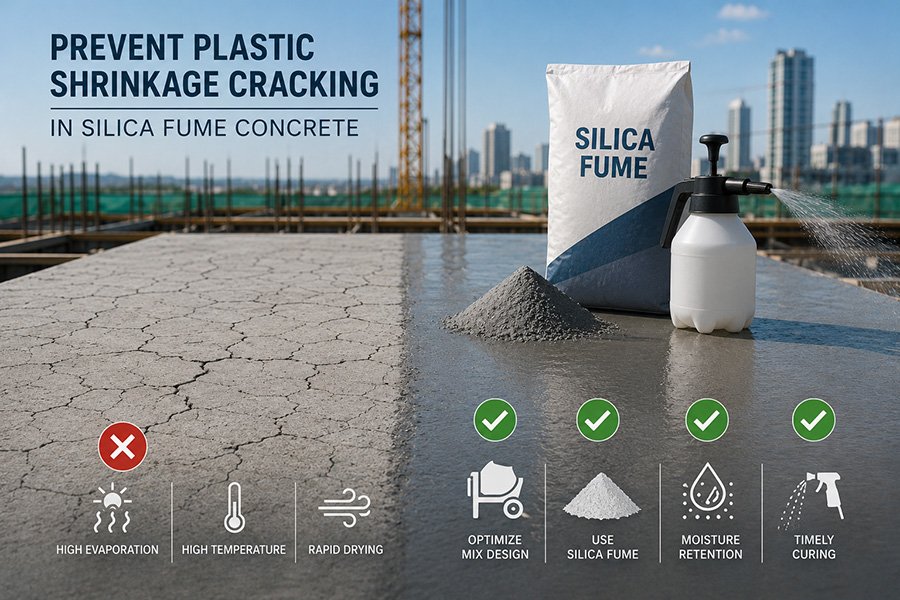
How to Prevent Plastic Shrinkage Cracking in Silica Fume Concrete

How to Prevent Plastic Shrinkage Cracking in Silica Fume Concrete

Plastic shrinkage cracking in silica fume concrete can cut a slab’s service life by 30% or more before curing even begins. When bleed water evaporates faster than it rises, capillary tension builds in the near-surface paste – and at w/b ratios below 0.40, silica fume’s extreme fineness virtually eliminates bleeding. Engineers specifying high-performance concrete (HPC)

How to Prevent Plastic Shrinkage Cracking in Silica Fume Concrete Read More »

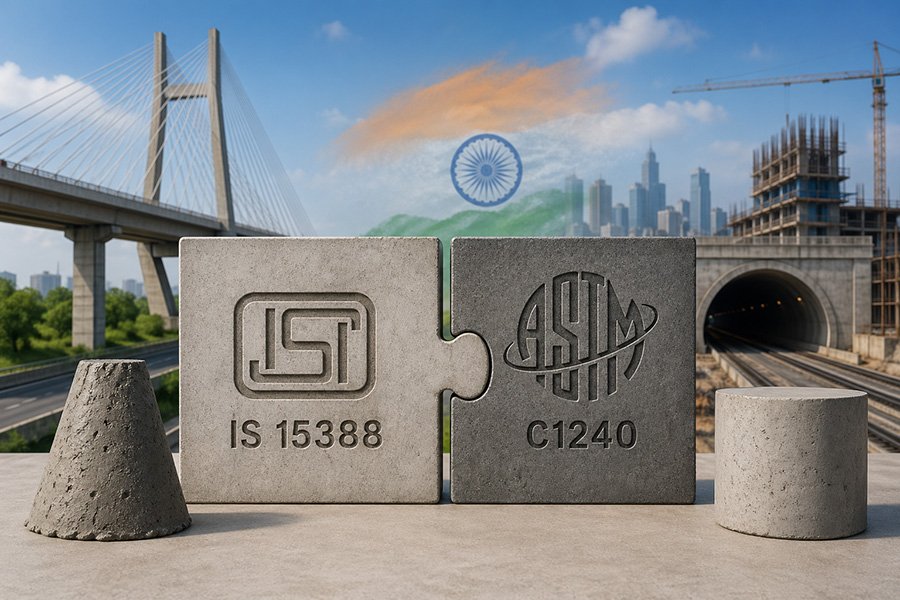
IS 15388 and ASTM C1240

IS 15388 and ASTM C1240: Are They Compatible for Indian Infrastructure Projects?

Engineers specifying microsilica for Indian infrastructure projects face a recurring dilemma: must a silica fume conform strictly to IS 15388 (Indian standard), or is a product meeting the globally recognised ASTM C1240 sufficient? The wrong answer leads to rejected deliveries, delayed approvals, or—worse—concrete that falls short of durability requirements in India’s aggressive service environments. This

IS 15388 and ASTM C1240: Are They Compatible for Indian Infrastructure Projects? Read More »

Scroll to Top