pozzolanic reaction

What to Do When Silica Fume Concrete Loses Slump Too Quickly

What to Do When Silica Fume Concrete Loses Slump Too Quickly? Expert Fixes

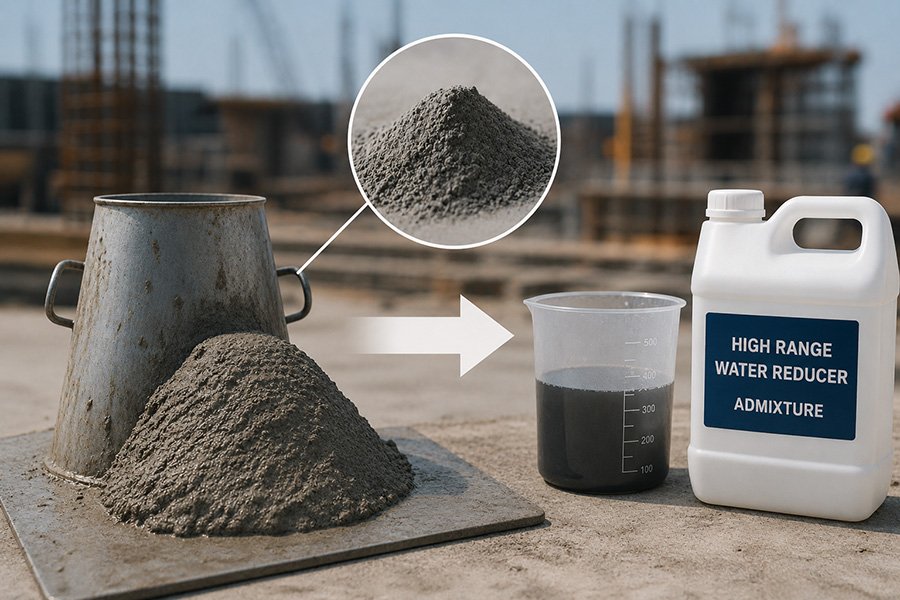
Silica fume concrete losing slump too fast on a bridge deck placement can push a pour window from 90 minutes down to 30 — triggering cold joints, rejected loads, and compressive strength penalties that cascade into six-figure remediation costs. The problem isn’t the admixture itself; it’s the mismatch between silica fume’s surface physics and conventional […]

What to Do When Silica Fume Concrete Loses Slump Too Quickly? Expert Fixes Read More »

How Does Silica Fume Affect the Curing Process of High-Performance Concrete?

How Does Silica Fume Affect the Curing Process of High-Performance Concrete?

Silica fume’s pozzolanic reactivity accelerates early-age strength gain, but it also dramatically alters moisture retention kinetics—if curing regimes fail to compensate, microcracking from autogenous shrinkage can compromise chloride resistance and reduce service life by 15–30% in high-performance concrete (HPC) bridges, marine structures, and nuclear containment shells. Solving this requires understanding how silica fume shifts the

How Does Silica Fume Affect the Curing Process of High-Performance Concrete? Read More »

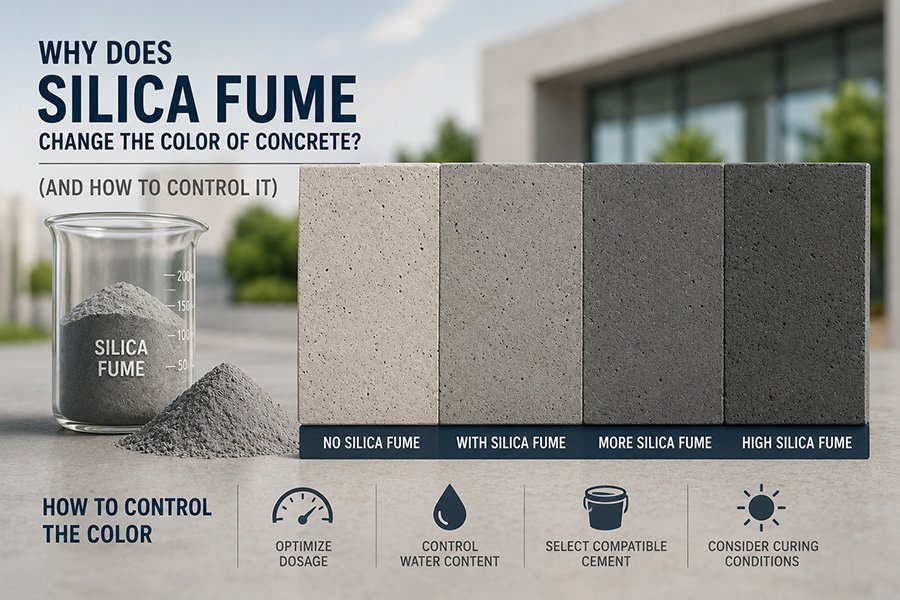
Why Does Silica Fume Change the Color of Concrete? (And How to Control It)

Why Does Silica Fume Change the Color of Concrete? (And How to Control It)

When a high-profile bridge deck or architectural precast panel arrives on site with uneven blue-grey mottling instead of the specified uniform tone, the immediate cost is a rejected batch, a delayed pour cycle, and forensic testing bills that can exceed $15,000 per incident. Architects and structural engineers spec silica fume for its unmatched strength and

Why Does Silica Fume Change the Color of Concrete? (And How to Control It) Read More »

How to Calculate the Exact Water-to-Binder Ratio When Using Microsilica

How to Calculate the Exact Water-to-Binder Ratio When Using Microsilica

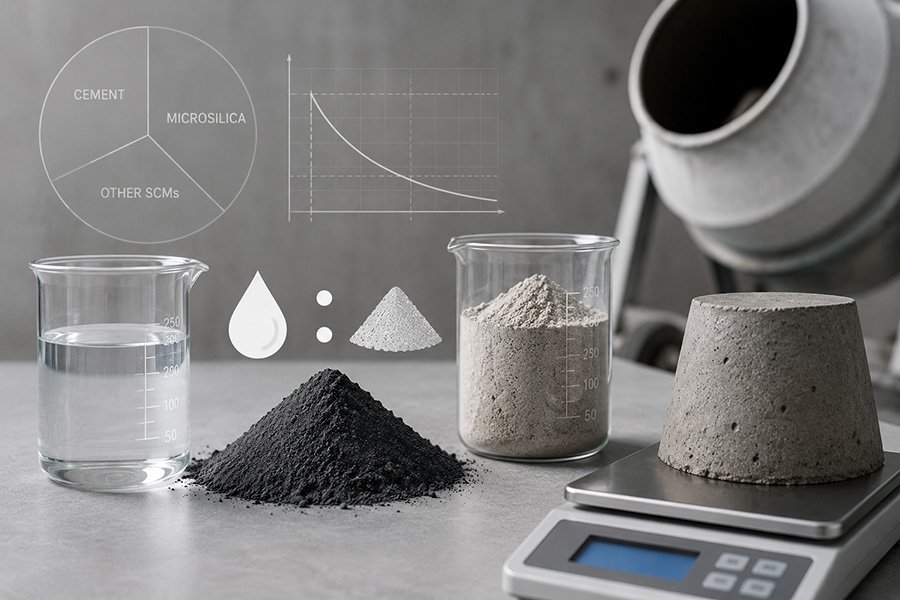
A miscalculated water-to-binder (w/b) ratio when silica fume enters a high-performance concrete mix can silently erase the very durability gains the specifier demanded, shifting a 100-year service life design toward premature chloride ingress and costly structural repair. The core challenge is not that microsilica is difficult to use, but that its extreme specific surface area—often

How to Calculate the Exact Water-to-Binder Ratio When Using Microsilica Read More »

Scroll to Top