High Performance Concrete

Does Silica Fume Increase the Risk of Autogenous Shrinkage

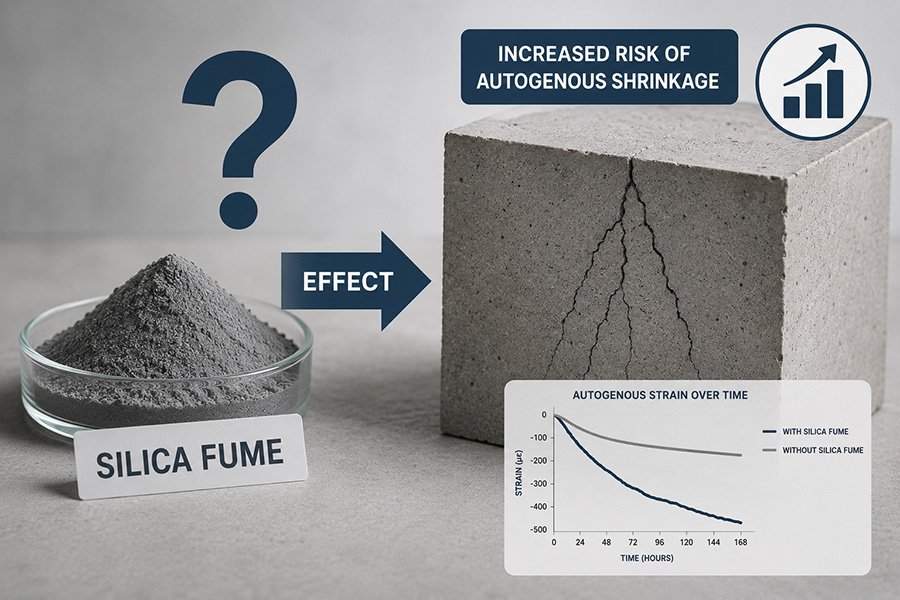
Does Silica Fume Increase the Risk of Autogenous Shrinkage? Key Causes & Control

Premature cracking in high-performance concrete (HPC) and ultra-high-performance concrete (UHPC) often traces back to a single, destructive mechanism: autogenous shrinkage. When this shrinkage is restrained, it generates tensile stresses that exceed the early-age strength of the matrix, causing microcracking that compromises durability, strength, and structural service life. For engineers specifying silica fume in low water/binder […]

Does Silica Fume Increase the Risk of Autogenous Shrinkage? Key Causes & Control Read More »
What to Do When Silica Fume Concrete Loses Slump Too Quickly

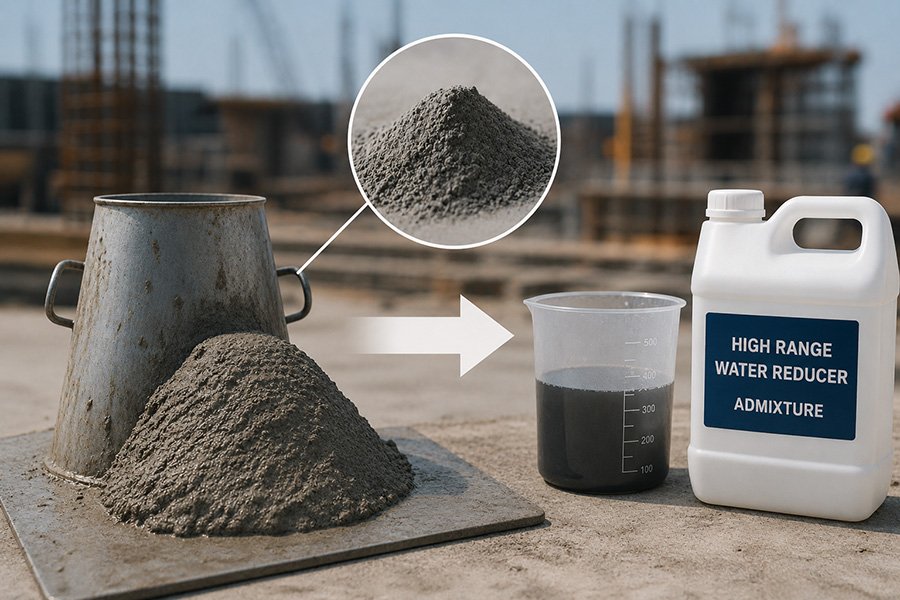
What to Do When Silica Fume Concrete Loses Slump Too Quickly? Expert Fixes

Silica fume concrete losing slump too fast on a bridge deck placement can push a pour window from 90 minutes down to 30 — triggering cold joints, rejected loads, and compressive strength penalties that cascade into six-figure remediation costs. The problem isn’t the admixture itself; it’s the mismatch between silica fume’s surface physics and conventional

What to Do When Silica Fume Concrete Loses Slump Too Quickly? Expert Fixes Read More »

Silica Fume Slurry vs. Silica Fume Powder

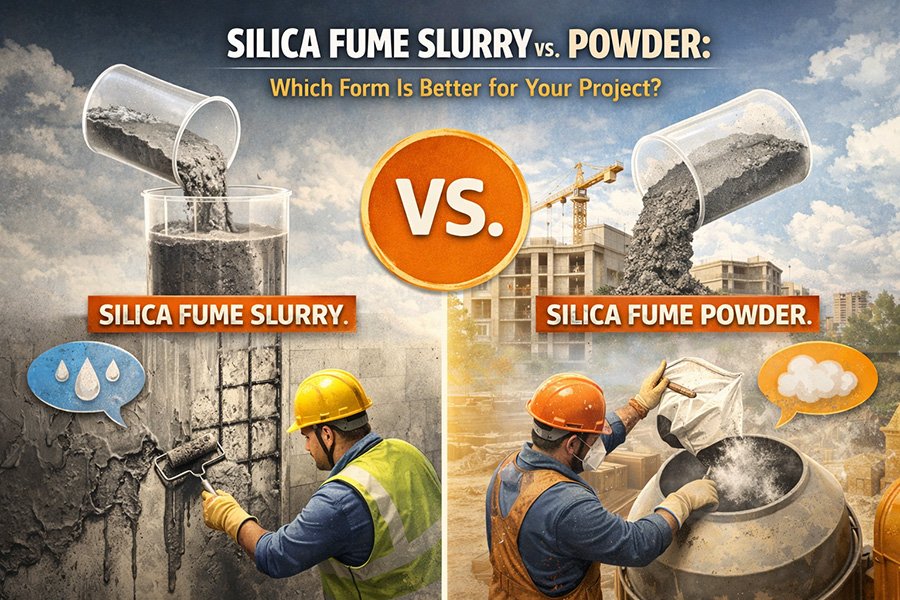
Silica Fume Slurry vs. Powder: Which Form Is Better for Your Project?

If you have ever sourced silica fume for a concrete project, you have likely encountered the same question: should you use powder or slurry? Both forms deliver the same fundamental material — amorphous silicon dioxide with a high surface area and strong pozzolanic reactivity — but they differ significantly in how they are handled, stored,

Silica Fume Slurry vs. Powder: Which Form Is Better for Your Project? Read More »

Scroll to Top