For any builder, contractor, or ready-mix producer working on high-performance concrete, the phrase “silica fume” is no longer optional vocabulary — it is a competitive advantage. Yet despite being one of the most studied supplementary cementitious materials on the planet, microsilica remains a sourcing puzzle for many buyers. Pricing fluctuates by region, quality varies dramatically between producers, and the wrong supplier can quietly compromise the integrity of an entire project.
As a China-based global supplier serving customers in more than 30 countries, Henan Superior Abrasives (HSA) has spent years navigating those very challenges alongside our clients. This guide distills what we have learned, so whether you are specifying microsilica for the first time or auditing an existing supply chain, you can make a more confident, more profitable decision.
What Is Silica Fume, and Why Does It Matter?
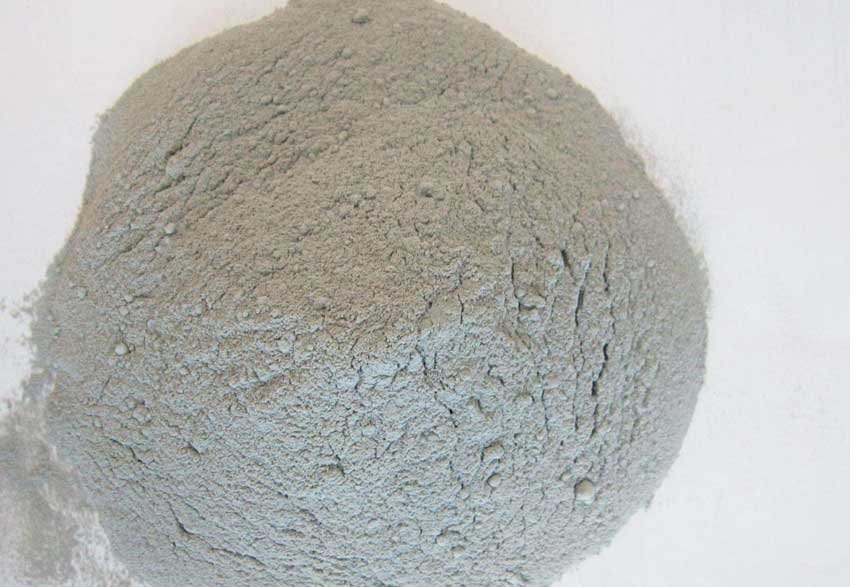
Silica fume — interchangeably called microsilica — is an ultra-fine powder recovered from the off-gases of electric arc furnaces during the production of silicon metal and ferrosilicon alloys. The individual particles are roughly 100 times finer than a grain of ordinary Portland cement, with a typical diameter between 0.1 and 0.5 microns and an amorphous SiO₂ content that often reaches 85 to 98 percent. That extraordinary fineness, combined with high purity, is what gives microsilica its remarkable pozzolanic reactivity.
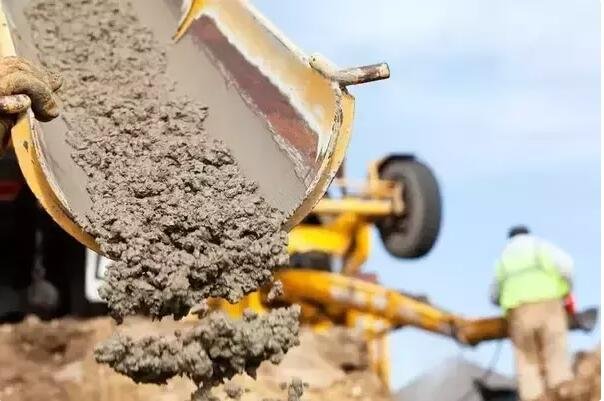
When microsilica is added to a cementitious mix, it reacts with calcium hydroxide — a relatively weak byproduct of cement hydration — and converts it into additional calcium silicate hydrate, the very gel that gives concrete its strength. The result is a denser, less permeable, more durable matrix that resists chloride ingress, sulfate attack, and alkali-silica reaction far better than ordinary concrete. Compressive strength gains of 20 to 50 percent are common at typical replacement levels of five to ten percent by weight of cement, which is why microsilica is now a default ingredient in high-performance concrete (HPC), ultra-high-performance concrete (UHPC), sprayed concrete for tunneling, and premium refractory castables.
Two commercial grades dominate the market. Undensified silica fume is the fluffy, raw powder collected directly from the furnace filtration system, prized in applications where maximum dispersion matters. Densified silica fume has been mechanically compacted into granules with a bulk density typically between 0.5 and 0.7 g/cm³, making it far easier to transport, silo, and dose at the batching plant. Both grades serve legitimate purposes; the right choice depends on your equipment, mix design, and logistics.
Where Does Quality Microsilica Come From?
The geography of silica fume supply is closely tied to the geography of silicon and ferrosilicon production. The largest producing regions today include China, Norway, Iceland, Brazil, and parts of the former Soviet Union. Each origin brings a slightly different material profile — variations in SiO₂ content, carbon residue, moisture, and color — and a different cost structure.
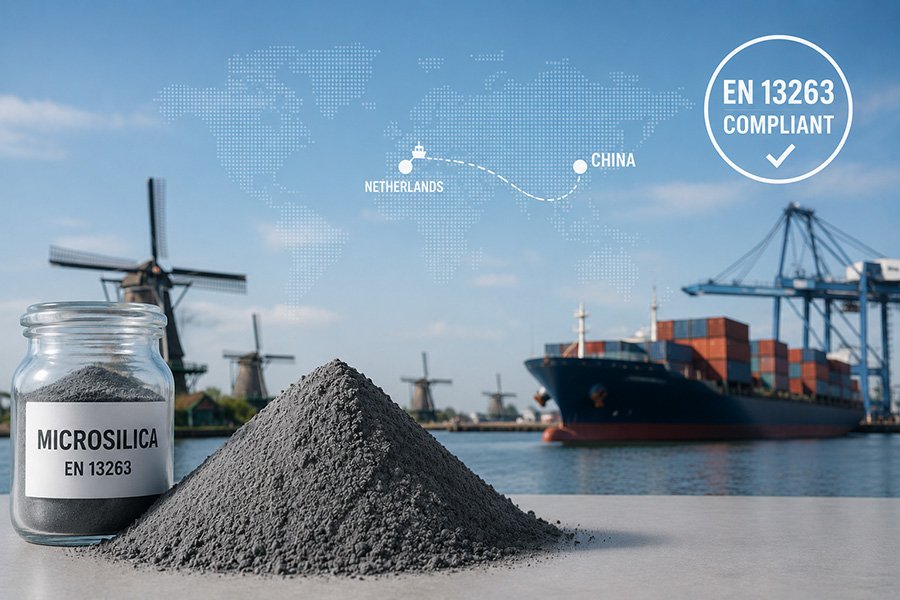
For decades, European buyers leaned heavily on Norwegian and Icelandic microsilica, with the Netherlands acting as a major redistribution hub thanks to the ports of Rotterdam and Amsterdam. That ecosystem remains important, but Chinese producers have closed the quality gap decisively over the past fifteen years. Modern Chinese plants now routinely deliver microsilica that meets the most demanding international standards, including ASTM C1240 for the North American market and EN 13263 for European projects, often at significantly more competitive prices.
HSA sits squarely within this shift. Our production is based in Henan, a region with a long-established silicon and refractory industry cluster that gives us reliable access to high-purity raw material and skilled technical talent. We supply both densified and undensified grades, packaged according to customer specification, and shipped through major Chinese ports to destinations across Southeast Asia, the Middle East, Europe, the Americas, and Africa.
What Separates a Reliable Supplier From a Risky One?
The microsilica market is, frankly, uneven. Material that looks identical on a specification sheet can behave very differently in concrete, and the difference is usually traced back to a handful of supplier practices that are easy to overlook in a quote comparison.
The first is consistency. A serious supplier maintains tight control over SiO₂ content, loss on ignition, and bulk density from batch to batch, and is willing to share recent certificates of analysis without hesitation. At HSA, every shipment is accompanied by a full COA documenting the parameters our customers care about, and we encourage third-party inspection by agencies such as SGS or Bureau Veritas when buyers want additional assurance.
The second is honest densification. The market has seen more than one case of nominally “densified” microsilica arriving as lightly compacted fluff that segregates badly in transit. Genuine densification produces uniform granules that hold their form and re-disperse cleanly in the mixer. Buyers should always test a recent production sample before committing to a long-term contract.
The third is logistics discipline. Microsilica is hygroscopic, meaning it absorbs moisture readily, and wet material loses reactivity, clumps in silos, and creates handling problems at the plant. A reliable supplier stores product in covered, dry warehouses, protects it during container loading, and uses appropriate desiccants or liner bags for ocean freight. HSA operates a dedicated logistics team that coordinates inland trucking, container stuffing, and export documentation in compliance with the destination country’s customs requirements.
The fourth, often underrated, is technical support. The best suppliers do not just ship powder; they help customers tune mix designs, troubleshoot placement issues, and validate new applications. For a precast plant moving into UHPC for the first time, or a refractory producer reformulating a castable, that collaboration can be worth far more than a small price differential.
How HSA Approaches a Typical Buyer Relationship
When a new customer contacts us, the conversation usually begins with a few practical questions: what grade of microsilica do you need, what is the target application, what dosage are you running, and how is the product currently performing? From those answers we can usually suggest a starting point in our product line and send a free sample for in-house lab testing.
Once a sample is approved, our commercial team prepares a quotation in the customer’s preferred Incoterm — FOB, CFR, CIF, or DDP — and confirms packaging options ranging from 25-kilogram bags to one-ton big bags to bulk tankers. For projects with strict quality documentation, we provide technical data sheets, safety data sheets, and COAs in English and, where needed, additional languages.
After the order is confirmed, production is scheduled, the customer is updated on milestones, and pre-shipment inspection is arranged if requested. Standard lead times are in the range of 7 to 15 days for stocked grades and 15 to 30 days for custom specifications, with full-container orders typically qualifying for the most competitive pricing. Most of our customers reorder on a monthly or quarterly cadence, and we work hard to make that repeat business feel effortless.
Common Questions Buyers Ask Us
If you are evaluating microsilica for a new project, you are not alone in wondering where to start. The following questions come up in nearly every conversation we have with first-time buyers, and the answers tend to save a lot of trial and error.
Is silica fume the same as microsilica?
Yes, the terms refer to the same material. “Silica fume” is the more common name in ASTM-based standards, while “microsilica” is widely used in Europe under EN 13263 and throughout the refractory industry. Some customers also use the trade name “condensed silica fume.”
What is the difference between densified and undensified microsilica?
Undensified microsilica is the raw powder as collected from the furnace. It has the lowest bulk density and the highest surface area, which is ideal for refractory and specialty applications. Densified microsilica has been compacted into granules, typically with a bulk density of 0.5 to 0.7 g/cm³, which makes it easier and more economical to transport, store, and dose in a concrete batching plant. Both perform the same chemical function; the choice is largely logistical and mix-design driven.
Do you ship to my country?
HSA currently supplies customers in more than 30 countries, with active markets in the Middle East, Southeast Asia, Europe, Africa, and the Americas. If you are in a region we have not yet served, our logistics team can usually design a routing plan using nearby hubs, and we are happy to discuss minimum order quantities for new destinations.
What standards does your material meet?
Our silica fume is produced to comply with ASTM C1240 and EN 13263, and we can tailor specifications to meet additional regional standards where required. Each shipment is supplied with a full certificate of analysis.
Can I get a sample before placing a full order?
Yes. We provide free samples to qualified projects so that your team can confirm performance in your own lab or trial batch before committing to commercial volumes.
How do I get a quote?
You can reach our technical and commercial team through the contact form on this site or by emailing us directly. We respond to inquiries within 24 hours, and a typical quotation includes grade, packaging, price by Incoterm, lead time, and payment terms.
Closing Thoughts
Silica fume is no longer a niche specialty material. It is a foundational ingredient in the concrete and refractory systems shaping modern infrastructure, from long-span bridges and offshore wind farms to high-rise cores and industrial kilns. Choosing the right supplier is therefore a strategic decision, not a transactional one, and the best partnerships are built on technical competence, transparent documentation, and a willingness to solve problems together.
At Henan Superior Abrasives, we see our role as exactly that — a long-term partner to the producers, contractors, and engineers who are quietly raising the standard of what concrete can do. If you are weighing your options or looking for a second source for an existing project, we would be glad to send a sample and start a conversation.